How We Teach:
The Montessori Method
Maria Montessori pioneered an innovative, child-centered approach to education grounded in deep respect for children and their development. Her method, informed by scientific observation, emphasizes that education should be “an aid to life.” Montessori believed that when given the right environment, children naturally engage in meaningful work that leads to intellectual, emotional, and social growth.
Development: The Child’s Great Work
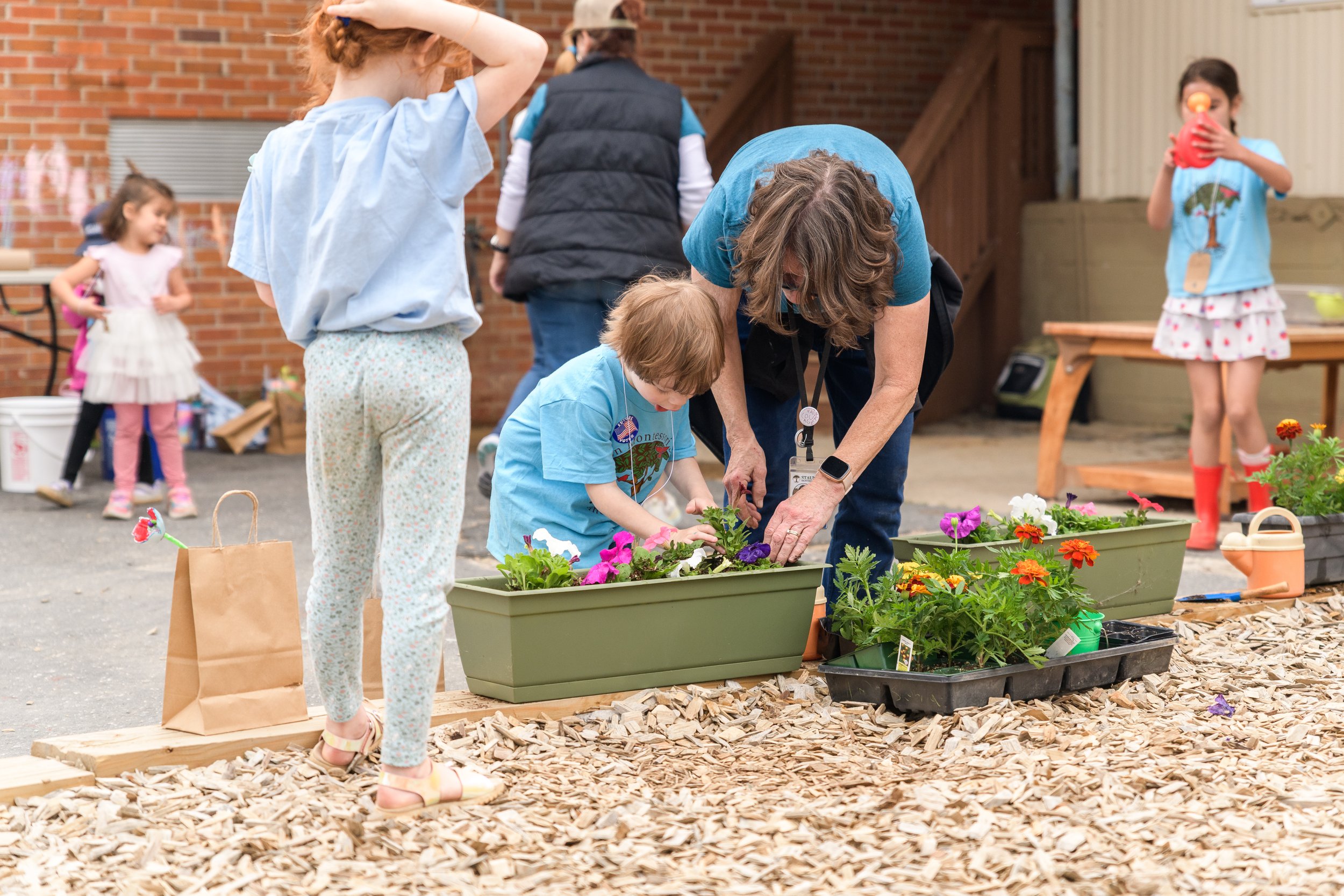
Montessori education honors each developmental stage as a critical period of transformation. Children are naturally driven to explore, discover, and learn. This work of becoming—what Montessori called “the child’s great work”—requires freedom within limits, order in the environment, and opportunities for repetition and concentration.
When these needs are met, children build independence, self-discipline, and a love of learning.
Individualized Learning
Montessori students have the flexibility to learn at their own pace and in their own way. Natural learning styles and preferences are respected and supported. Lessons are introduced when each child is developmentally ready—regardless of age—so there is no stigma attached to learning quickly or slowly. Because learning is individualized, each child can progress at a pace that is both challenging and comfortable.
The Three-Year Cycle
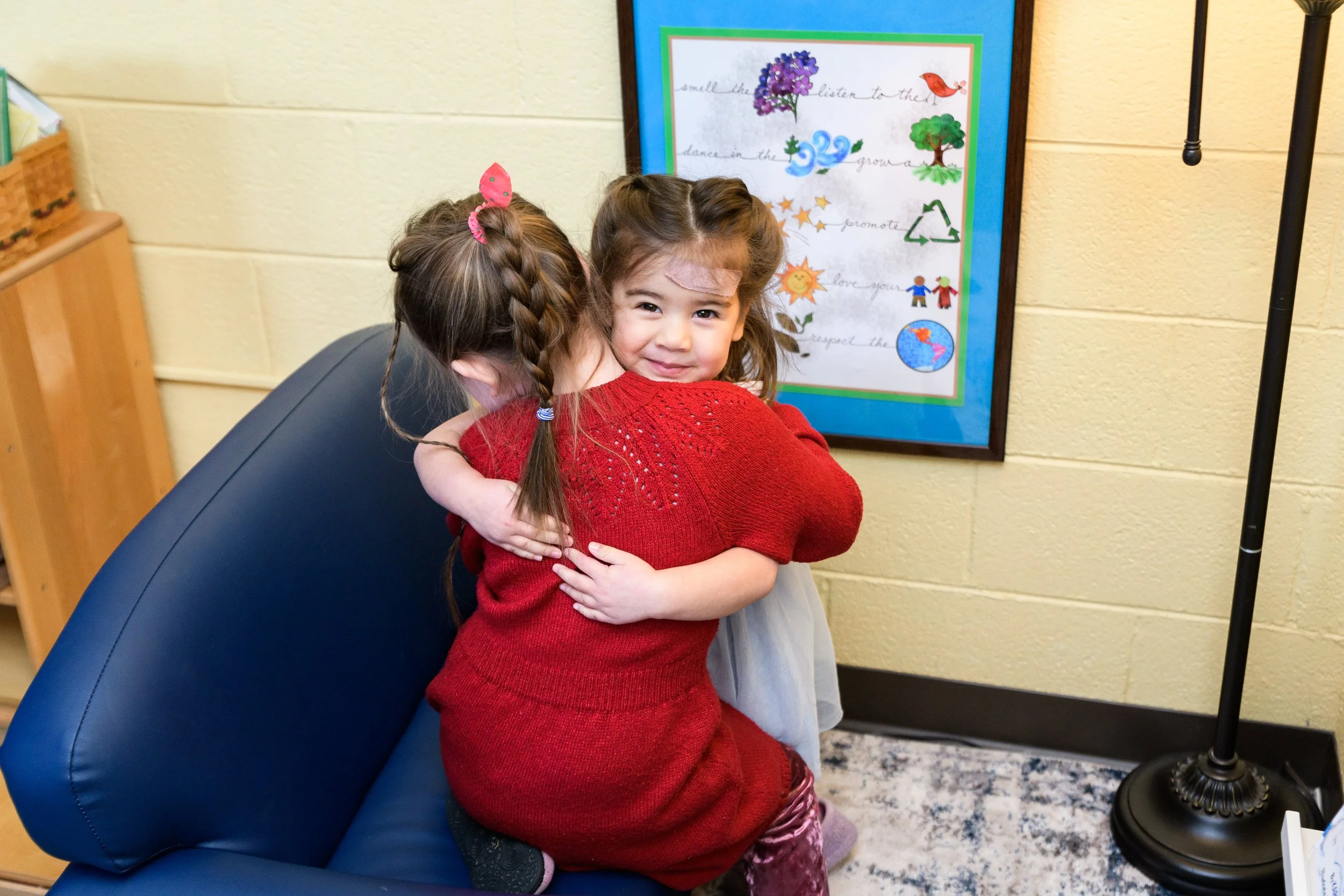
Montessori education follows a three-year cycle within each classroom level. It is during the third year (typically the traditional kindergarten year) that everything comes together for the child—concepts solidify, mastery emerges, and confidence blooms. This continuity allows children to deepen their understanding and take full ownership of their learning.
Teacher: Observer and Guide
In Montessori education the teacher is commonly referred to as a Guide. Rather than acting as the center of instruction, the Montessori Guide serves as a keen observer and thoughtful guide. They prepare the environment, present lessons with care, and then step back, allowing the child to explore and make discoveries. This approach fosters intrinsic motivation and encourages children to become active participants in their own learning journey. The classroom is child-centered rather than teacher-centered. Montessori Guides are often found at a child’s level, engaged one-on-one or in small groups.
The Prepared Environment
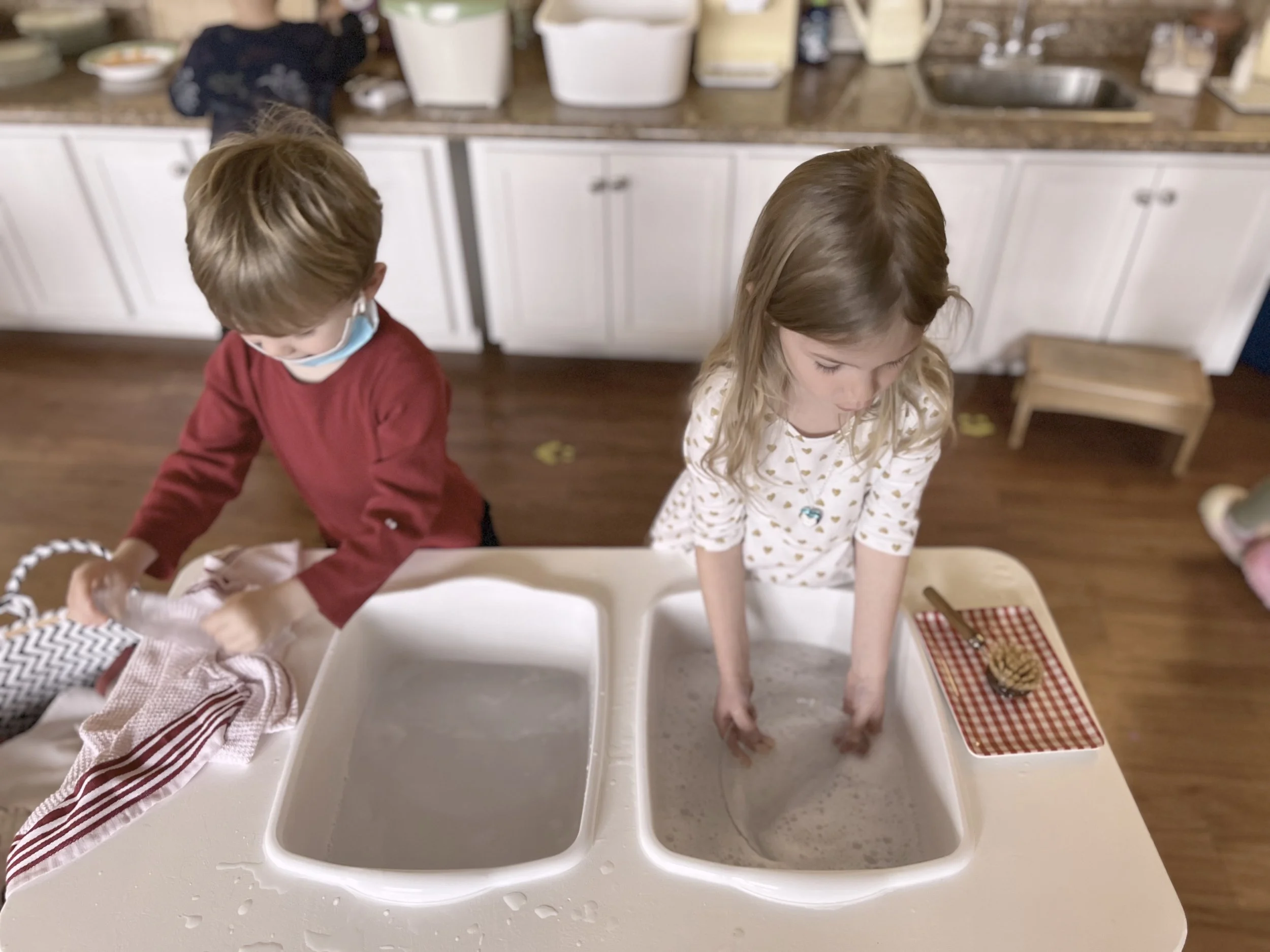
Montessori classrooms are intentionally designed to promote independence, beauty, and purposeful work. Materials are accessible and self-correcting, allowing children to engage meaningfully with tasks that match their developmental readiness. Families can bring Montessori principles into the home by creating simple, orderly spaces and allowing children to participate in real-life activities that build confidence and capability.
Mixed-Age Classrooms
Montessori classrooms intentionally group children in multi-age communities. Younger students benefit from observing and learning from older peers, while older students reinforce their knowledge through leadership and mentoring. This structure fosters independence, collaboration, and a strong sense of community.

Assessment and Observation
Montessori educators use ongoing, formative assessment through careful observation, student work, and demonstration of understanding. Assessment methods may include verbal check-ins, written work, peer teaching, and hands-on projects. These practices allow teachers to tailor future lessons and support each child's development holistically.
Curriculum Alignment
While Montessori schools do not directly teach to the Virginia Standards of Learning (SOLs), these standards—and much more—are covered throughout the three-year cycle. The curriculum is rich, expansive, and tailored to each child’s needs and readiness, rather than dictated by a uniform pace or order.